

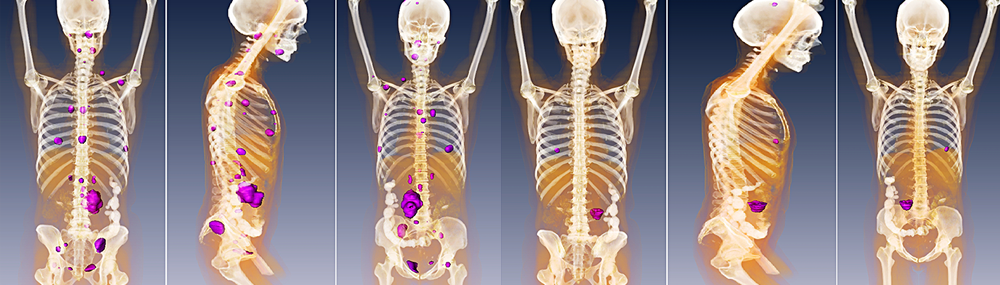
Pheochromocytoma can cause a variety of signs and symptoms, depending on the type and location of the tumor.
Some of the most common signs and symptoms include (in alphabetical order):
- Abdominal pain
- Constipation
- Chest pain
- Dizziness
- Elevated blood sugar
- Facial flushing (redness)
- High blood pressure
- Increased respiratory rate
- Nausea
- Nervousness, anxiety, and irritability
- Pale skin tone
- Rapid heart rate and heart palpitations
- Severe headaches
- Sweating
- Visual disturbances
- Weight loss
 BACK TO TOP