
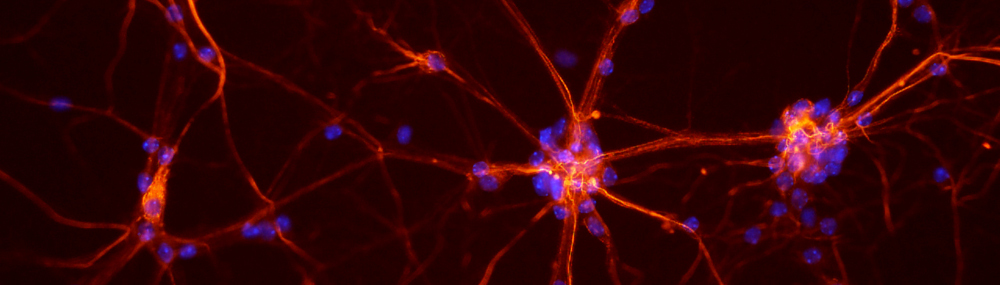
The nervous system not only works to produce thoughts, emotions, and behavior, but also controls important body functions, like breathing.
Studying the nervous system advances understanding of our basic biology and body function. Knowing how things typically work can help shed light on what may happen when there are problems. It can help researchers find ways to prevent or treat problems that affect the brain, nervous system, and body.
In addition to examining the normal development and activity of the nervous system, neuroscience studies diseases, disorders, and injuries that affect parts of the nervous system, how it develops, and how well it functions. There are more than 1,000 disorders of the brain and nervous system, including:
- Intellectual and developmental disabilities, such as Down syndrome and Fragile X syndrome
- Behavioral disorders, such as attention deficit/hyperactivity disorder and autism spectrum disorders
- Learning disabilities and reading disorders
- Mental health problems, such as schizophrenia, obsessive-compulsive disorder, and addiction
- Degenerative diseases, such as Alzheimer’s disease, Parkinson’s disease, and Niemann-Pick disease
- Musculoskeletal disorders, such as muscular dystrophy and stroke
- Structural defects, such as neural tube defects, which include spina bifida, hydrocephaly, and myelomeningocele
- Injuries, including traumatic brain injury and spinal cord injury, as well as how the body processes pain
- Cancers, including brain tumors such as paragangliomas
- Immune system disorders, such as HIV/AIDS
- Epilepsy, seizures, and stroke
Understanding how to prevent and treat these disorders and diseases is crucial for maintaining the overall health and well-being of all people.1
Citations
- Society for Neuroscience. (n.d.). About neuroscience. Retrieved June 13, 2017, from https://www.brainfacts.org/core-concepts

 BACK TO TOP