
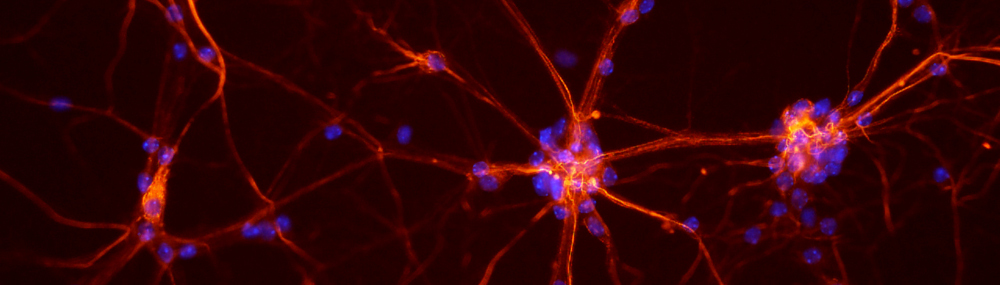
Neuroscience is the study of the nervous system. The nervous system includes the brain, spinal cord, and networks of sensory and motor nerve cells, called neurons, throughout the body. Neuroscience aims to understand how the nervous system works to produce and regulate emotion, thought, behavior, and critical bodily functions, including breathing and keeping the heart beating.
Neuroscientists study the nervous system on many different levels. They examine molecules, nerve cells, nerve networks, and brain structure, individually and collectively, and how these components interact to perform different activities. These scientists study how a typical nervous system develops and functions, as well as disorders and diseases that cause problems with how the nervous system grows or works.
For example, when someone reads these words, his or her brain sends signals to the eye muscles to help track along this line of text. At the same time, eyes change the words into signals that travel along neurons to the brain. The brain decodes these signals to “read” the words. Then the brain reaches into its stored information—including memories—to give meaning to the words by themselves, and then to give meaning to what the words are saying together. The entire process happens almost instantly, which is just further proof that the nervous system is amazing.
 BACK TO TOP